Tourism growth and coastal sustainability in Albania: Evidence from2015-2025
Abstract: During the period 2015-2025, Albania has experienced a considerable increase in tourism, especially in the coastal areas of the Adriatic and Ionian. This study analyses the relationship between tourism development, coastal sustainability, climate responsibility, and territorial governance. Considering the conceptual framework of urban and regional transformation, the study uses a descriptive approach that combines tourism data analysis with qualitative review of public policy documents, territorial planning reports, and environmental evaluations. Results show that arrivals of foreign nationals increased from 4.1 million in 2015 to 12.5 million in 2025, while tourism revenues increased from 1.4 to 5.7 billion euros. These developments are accompanied by continuous challenges in coastal urbanization, waste management, erosion, and infrastructural capacities. The study emphasises the importance of integrated coastal governance, territorial planning adapted to climate change, and sustainable tourism practices, in order to balance economic development with long-term environmental protection.
Keywords: Sustainable tourism, climate responsibility, Albania, coastal transformation, regional development, climate adaptation, tourism governance
Authors:
Klarida Prendi, PhD. candidate, Aleksandër Moisiu University Durrës, klaridaprendi@uamd.edu.al
Arif Murrja, Prof.As.Dr., Agricultural University of Tirana, amurrja@ubt.edu.al
1. Introduction
Tourism has become one of the most important sectors of the Albanian economy during the period 2015–2025. During this decade, Albania has experienced a significant increase in international tourist activity, especially in coastal areas such as Durrës, Vlora, Saranda, Himara, and Ksamil. The Adriatic and Ionian coastlines have gradually become important destinations for regional and international tourism thanks to their natural landscapes, cultural heritage, relatively low costs of tourist services, and the increase in Albania’s international visibility.
According to INSTAT data, the number of foreign national arrivals in Albania has increased from around 4.1 million in 2015 to over 12.5 million in 2025, showing a significant increase in international mobility, including travel related to tourism (INSTAT, 2026). Tourism revenues have increased significantly, reaching record levels after 2022, which has positioned tourism as one of the main sources of foreign exchange inflows in the Albanian economy (Bank of Albania, 2026).
However, the fast and often uncontrolled development of tourism activities has also created many environmental and territorial challenges in the coastal regions of Albania. According to reports from the World Bank and UNDP Albania, intensive development of coastal tourism has increased pressure on the natural ecosystems, accelerated the urbanization of coastal areas, contributed to the growth of marine litter and pollution, and intensified seasonal overcrowding in major tourist destinations (Salim, 2019; UNDP, 2023). Coastal erosion, biodiversity degradation, and the lack of appropriate environmental infrastructure pose serious threats to the long-term sustainability of these areas. Climate change further reinforces these vulnerabilities through sea level rise, flood risk, extreme temperatures, and ecosystem degradation, particularly along the Adriatic-Ionian coastline. These developments demonstrate the growing need for integrated coastal management and tourism policies oriented towards climate responsibility and sustainable development (Gour, 2025).
This study analyzes the relationship between tourism developments, territorial transformation, and environmental sustainability in Albania’s coastal regions during the period 2015-2025. The analysis is based on a conceptual perspective of urban and regional transformation, emphasizing the importance of a balance between economic interests, protection of the ecosystems, and wider environmental and climate responsibilities (Healey, 1997; Ciro & Toska, 2018). In this framework, the development of coastal tourism is treated not only as an economic process, but also as a territorial and institutional process that interacts with natural resources, local communities, and sustainable development politics (UNEP, 2025). This study focuses on the need to integrate tourism development politics with territorial planning, environmental management, and climate change adaptation strategies.
Recent studies related to the development of coastal tourism in Albania have studied different dimensions of sustainability. Muka and Mele (2026) have analyzed the capacity of tourist accommodation providers and the importance of maintaining an equilibrium between touristic activity and environmental quality in the coastal area of Durres. Fernández-Enríquez et al. (2024) are focused on the distribution and waste composition in the Ionian coastline, while Kolaneci (2026) has identified the challenges of institutional fragmentation and of the regulatory framework in the management of coastal areas. Although these studies offer important contributions, they are focused on specific aspects of coastal development and management. In this context, there is room for a more integrated analysis that examines the dynamics of tourism growth, territorial transformation, environmental pressures, climate vulnerability, and the role of local governance. This study aims to contribute to this gap, analyzing these dimensions in the context of the development of Albania’s coastal regions during the period 2015-2025.
This study’s contribution is focused on an integrated approach to coastal tourism development in Albania, connecting the trends of increased touristic activity with the territorial transformation, environmental challenges, and climate responsibility. In difference from the other analysis that are focused in different dimensions of coastal development, this study uses a shared analytical perspective for examining the relations between these factors during the period 2015-2025. In the conceptual aspect, it treats coastal sustainability through the interaction between the interests of local communities, territorial governance, and broader environmental responsibilities. In the practical aspect, the study aims to contribute to the discussion of the politics of integrated management of coastal areas and the development of sustainable tourism.
The paper seeks to answer the following research questions:
- How has tourism transformed Albania’s coastal regions?
- What environmental and climate-related challenges are associated with tourism growth?
- How do local governance and territorial planning address climate responsibility in coastal areas?
- What strategies are necessary to support sustainable and resilient coastal transformation?
To answer the research questions, the study is based on the analysis of secondary statistical data and a qualitative review of institutional documents. Statistical data from INSTAT and the Bank of Albania are used to analyse the tendencies of touristic development during the period 2015-2025, while the reports and the documents from the national and international institutions serve as a basis to review environmental challenges, climate vulnerability and territorial governance issues. This approach enables a descriptive interpretation of the tourism development in ratio with the challenges of coastal sustainability, without claiming to identify causal relationships.
The article is organized as follows. Section 2 presents the literature review on sustainable tourism, regional development, climate vulnerability, and territorial governance. Section 3 describes the methodology and the data source. Section 4 analyses the tourism development and the transformation of coastal territory in Albania, while Section 5 presents the environmental challenges and climate vulnerability. Section 6 treats the role of local governance, local solidarity, and climate responsibility. Section 7 discusses the main findings of the study in relation to the existing literature. Section 8 shows the study’s limitations, and Section 9 presents the conclusions and the main recommendations.
2. Literature review
2.1 Sustainable tourism and coastal territorial transformation
Sustainable tourism is conceived as a form of development that seeks a balance between economic benefits, environmental protection, and the well-being of host communities. According to UN Tourism, sustainability in tourism is related to the optimal use of environmental resources, the preservation of natural and cultural heritage, and respect for the socio-cultural authenticity of local communities (UNEP & UNWTO, 2005).
In the literature, tourism is treated as an important factor of regional development, especially in coastal economies and developing countries. It can stimulate employment, local entrepreneurship, investment in infrastructure, and the regeneration of urban and rural areas. However, tourist destinations go through development cycles and, in the absence of resource management, may face overcrowding, decline in environmental quality, and loss of tourist attractiveness (Butler, 1980; UNEP & UNWTO, 2005).
Tourism development in coastal areas is often accompanied by changes in land use, the expansion of construction, and growing demand for infrastructure and public services (Lagarias & Stratigea, 2023). These changes can create economic profits for the local communities, but at the same time can increase the competition for the use of space and natural resources. For these reasons, territorial transformation triggered by tourism should be analyzed not only considering the investment aspect and the economic development, but also in relation to the destination’s capacity to cope with the increase in tourism activity without damaging the environmental quality and the well-being of local communities (Cinar et al., 2024).
In the case of Albania, the growth of tourism has produced visible transformations in coastal regions (Kanjir & Gregoric Bon, 2016). INSTAT data show a significant increase in the inflow of foreign citizens and an expansion of the accommodation offer, confirming tourism as a sector with significant economic and territorial impact (INSTAT, 2026).
In the Albanian context, the evaluation of the transformation of coastal regions requires a substantial difference between the growth of tourist activity at the national level and territorial changes that occur in specific destinations. Statistical indicators on entries of foreign nationals and the revenue from travel offer information on the general dynamic of the activity, but cannot measure changes in land use, the intensity of construction, or the pressure on coastal infrastructure (Bank of Albania, 2026; INSTAT, 2026). For these reasons, the analysis of these indicators should be supplemented with evidence regarding the development of coastal areas (Kanjir & Gregoric Bon, 2016). This approach relates to the study’s first research question, which examines how the development of tourism has influenced the transformation of Albania’s coastal regions.
2.2 Climate change and coastal vulnerability
International literature emphasizes that coastal areas are among the areas most exposed to the impacts of climate change. The IPCC estimates that cities and settlements near the sea are facing increased risks due to sea level rise, flooding, erosion, and anthropogenic interventions in the territory (IPCC, 2022a).
Reports for the Mediterranean also indicate that sea level rise will worsen the risk of coastal flooding, loss of land areas, and erosion, affecting ecosystems, infrastructure, ports, transport networks, and cultural heritage (MedECC, 2020; Djoundourian et al., 2024).
Vulnerability of coastal regions is not determined only by the intensity of climate change, but also by the exposure level of the population, infrastructure, and economic activities to these risks. Expansion of construction and concentration of touristic activities close to the coastline can increase the exposure of infrastructure and investments to flooding, erosion, and extreme climate events. The literature emphasizes the importance of integrating climate risk evaluation in territorial planning and the development of tourist destinations (MedECC, 2020; IPCC, 2022b).
In this context, coastal tourism is particularly sensitive, because it directly depends on the quality of beaches, biodiversity, natural landscape and the stability of ecosystems. For Albania, UNEP emphasizes the need to integrate biodiversity in the planning and development of coastal tourism, so that the tourism industry does not damage areas with high ecological values (UNEP, 2025).
Climate vulnerability analysis in coastal areas requires a joint evaluation of the natural risks and pressures related to territorial development. The increase in sea level, erosion, and floods poses important risks for low-lying coastal areas, while the concentration of infrastructure and touristic activities can increase the exposure of these areas (MedECC, 2020). In the case of Albania, Hysenaj and Rustja (2026), according to satellite images for the period 2000-2025, have shown evidence of coastline loss and territorial loss due to erosion, particularly in the area of Golem and the Vilun Lagoon. These findings emphasize the importance of monitoring coastal changes and the integration of protective measures into territorial planning. For these reasons, evaluation of coastal tourism sustainability should not be defined only in the growth analyses, but should include evidence on the climate risks, ecosystems, and adaptation capacities. This perspective is related to the second research question of this study.
2.3 Environmental challenges of coastal tourism growth
A significant body of literature highlights that the rapid growth of tourism, if not accompanied by sustainable policies, can create pressure on the territory, natural resources, and public infrastructure. The OECD underlines that tourism policies should be oriented towards a more resilient, sustainable, and inclusive sector (OECD, 2024).
In the Albanian case, the World Bank highlights that the growth of coastal tourism has also increased the pressure on marine waters and ecosystems. According to this source, more waste from tourist structures is reaching coastal waters, while plastic constitutes over 90% of solid waste found on beaches (Salim, 2019; Fernández-Enríquez et al., 2024).
The World Bank documents on the blue economy in Albania also highlight that marine pollution and poor waste management can harm important sectors such as tourism, fishing, and maritime transport. In some tourist centers, such as Himara and Saranda, waste management problems are linked to the growth of tourism, construction, and plastic pollution (World Bank, 2020a).
2.4 Local governance, territorial planning and climate responsibility
Territorial governance and urban planning are central elements in managing tourism transformation. In the literature on collaborative planning, Healey (1997) argues that territorial development requires the involvement of different actors, institutional dialogue, and decision-making that takes into account economic, social, and environmental interests.
In the context of coastal tourism, this means that municipalities, national institutions, tourism businesses, local communities, and environmental organizations must cooperate to avoid uncontrolled development and degradation of natural resources. The OECD emphasizes that tourism requires coordinated policies and a long-term vision to build a more sustainable and inclusive sector (OECD, 2024).
For Albania, UNDP and the Co-PLAN approach to coastal tourism emphasize precisely the link between economic development, biodiversity protection, and the sustainable livelihoods of local communities (Co-PLAN, 2017; UNDP, 2023; Kolaneci, 2026).
2.5 Urban and regional transformation: Local solidarity and trans-local responsibility
The concept of urban and regional transformation is related to long-term changes in the economic, social and territorial organization of urban and regional spaces. According to Brenner and Schmid (2014), contemporary urbanization processes are no longer limited to cities, but extend to regional and global scales through economic, tourist, and environmental networks. This means that local developments are increasingly influenced by trans-local and global processes (Brenner & Schmid, 2014).
In the literature on climate justice and sustainability, authors such as Bulkeley (2013) argue that cities and regions have a central role in addressing climate challenges, as they constitute spaces where economic development, resource consumption, and environmental vulnerability intersect. According to her, climate responsibility is not only a national issue, but requires multi-level governance and cooperation between local and international actors (Bulkeley, 2013).
In coastal tourism, local solidarity is related to the involvement of communities in decision-making, the protection of territorial identity, and a fairer distribution of economic benefits. Meanwhile, trans-local responsibility implies that marine pollution, climate change, biodiversity degradation, and tourist pressure are challenges that transcend local borders and require broader institutional and regional coordination. The World Bank argues that the development of the blue economy in Albania can only create economic growth and jobs if coastal zone management is based on principles of environmental sustainability and climate resilience. Otherwise, the degradation of marine ecosystems and uncontrolled urbanization could jeopardize the very economic basis of coastal tourism (World Bank, 2020a).
From this perspective, sustainable transformation of the coastal areas requires a strategy that integrates territorial planning and climate adaptation, environmental protection, and the participation of local communities in decision-making processes (Bulkeley, 2013; OECD, 2024). These elements complete the conceptual basis for the fourth research question.
3. Methodology
The paper uses a descriptive mixed-method approach based on secondary quantitative data and qualitative document analysis. The methodological approach aims to analyze how the development of coastal tourism in Albania interacts with the challenges of environmental sustainability, climate responsibility, and territorial transformation.
3.1 Research design and justification of secondary data
According to Creswell (2014), qualitative research is suitable for the study of complex social and territorial phenomena, as it allows the interpretation of processes, policies, and institutional interactions in the real context of development. At the same time, the study also integrates secondary quantitative indicators to analyze tourism trends and regional transformation. Yin (2018) argues that combining documentary analysis with statistical data enables a more complete understanding of territorial phenomena and regional development processes. In this context, the methodology used aims to combine statistical analysis of tourism with analysis of public policies and territorial planning.
Using secondary data is related to the study objective of analyzing the tendencies of tourism development and the challenges of coastal sustainability during the period 2015-2025. Using the official statistical data and institutional documents enables the examination of changes over a ten-year period and their connection with environmental, territorial, and institutional issues, documented in existing sources.
The study does not intend to analyze individual perceptions of individuals, tourist businesses, or institutional representatives, but to review statistical tendencies and published evidence on the development of coastal tourism. Although, absence in primary data limits the possibility to analyze directly experiences of local actors and decision-making processes. For this reason, the findings are interpreted in a descriptive manner and are not used to identify causal relationships.
3.2 Data sources
The study is based on secondary data collected from national and international institutions related to tourism development, territorial planning, climate change, and environmental governance in Albania.
Statistical data for the entry of foreign citizens and tourism indicators are mainly obtained from INSTAT (2026), while the data for tourism revenues are obtained from the Bank of Albania. Additionally, strategic documents and reports published by the Bank of Albania, the World Bank, OECD, UNDP Albania and the Co-PLAN Institute for Habitat Development were analyzed. The period of analysis includes the years from 2015 to 2025, enabling the identification of medium-term tendencies and the issues caused by the COVID-19 pandemic and the rapid recovery of the sector after 2021. Statistical data from INSTAT and the Bank of Albania are used to analyze national tendencies in tourism development, while the reports and studies address specific coastal destinations, serving to examine territorial changes and environmental challenges in these areas.
Reports on coastal erosion, climate vulnerability, biodiversity, and marine pollution are used to analyze the environmental challenges associated with the expansion of tourism (Infrastrukrura, 2015). According to Bowen (2009), the analysis of institutional documents and public reports constitutes an important method for interpreting policies, practices, and territorial transformations, especially in development and public governance studies.
3.3 Data analysis
The analytical approach of this study combines statistical analysis of tourism with thematic analysis of territorial policies and documents.
The quantitative analysis is descriptive and compares interannual variation of indicators, absolute and relative change during the period 2015-2025, as well as the identification of structural changes in the period before and after the COVID-19 pandemic. This comparison between 2015 and 2025 is used to evaluate the long-term change in foreign citizens’ entries and tourism revenue. Analysis is concentrated as well in the identification of changes in tourism indicators before, during and after the COVID-19 pandemic and the recovery of tourism activity in the following years. The results are organized in the table and are interpreted descriptively, without using econometric models or statistical analysis for the determination of the causal relationships.
In the following, institutional reports and territorial planning documents were analyzed to identify the main challenges associated with intensive tourism development. These include rapid urbanization, pressure on natural ecosystems, coastal erosion, marine pollution, seasonal overpopulation, and vulnerability to climate change. The analysis of the documents is organized according to four thematic categories related to the research questions: (1) territorial transformation of the coastal areas, (2) environmental challenges and climate vulnerability, (3) local governance and territorial planning, and (4) strategies for sustainable development and climate resistance. We identified for each thematic category main findings and recommendations of the documents examined, which were subsequently compared to identify similarities and differences between the sources. This approach enables the linking of documentary findings with statistical tendencies of tourism development, respecting the limitations that arise from the use of secondary data.
3.4 Validity, reliability and research ethics
To support the validity and reliability of the results, the study is based on official statistical data, institutional reports and scientific publications. The information is collected from different sources, and it is compared to identify similarities and differences between the findings (Bowen, 2009). As well, during the interpretation of the results, a distinction is made between the national indicators on tourism development and evidence related to the specific coastal destinations. This approach intends to limit unsupported generalizations and increase the transparency of the analysis.
From an ethical point of view, the study uses only statistical data and published documents, without including interviews, surveys, or the collection of personal data. Attention is given to the accurate citation of sources, the impartial presentation of information, and the recognition of limitations associated with the use of secondary data.
4. Results
4.1 Tourism growth and coastal transformation in Albania
4.1.1 Expansion of coastal tourism
Over the last decade, Albania has experienced a rapid growth in international tourism, transforming the tourism sector into one of the main engines of the country’s economic and territorial development. According to INSTAT (2026) data, the number of foreign citizen entries increased significantly, from around 4.1 million in 2015 to over 12.5 million in 2025. The comparison for the period taken into consideration in the study shows that the entries of foreign citizens increased by about 202% between 2015 and 2025. In the same period, tourism revenues increased from about 1.4 billion euros to 5.7 billion euros, which represents an increase of about 307%.
The time series also shows a strong break in 2020. Foreign citizens’ entries have dropped from around 6.4 million in 2019 to 2.66 million in 2020, while tourism revenues dropped from around 2.1 billion euros to 1 billion euros. However, the recovery was swift: in 2022, entries reached around 7.5 million, exceeding the 2019 level, while after 2022, growth accelerated further. This development shows not only the important impact of the pandemic, but also the capacity of the Albanian tourism sector for rapid recovery. The fact that revenues have grown faster than entries indicates a significant increase in the economic weight of tourism during the analyzed period.
Table 1. Foreign citizen entries and travel revenues in Albania, 2015–2025
| Year | Foreign citizen entries (number) | Travel revenues (€ billion) |
|---|---|---|
| 2015 | 4,131,242 | 1.4 |
| 2016 | 4,735,511 | 1.5 |
| 2017 | 5,117,700 | 1.7 |
| 2018 | 5,926,803 | 1.9 |
| 2019 | 6,406,038 | 2.1 |
| 2020 | 2,657,818 | 1.0 |
| 2021 | 5,688,649 | 1.9 |
| 2022 | 7,543,817 | 2.8 |
| 2023 | 10,155,640 | 4.2 |
| 2024 | 11,696,111 | 5.0 |
| 2025 | 12,466,038 | 5.7 |
Source: Authors’ calculations based on INSTAT (2026) and Bank of Albania (2026).
Figure 1 illustrates the geographical distribution of coastal areas along Albania’s Adriatic and Ionian coastlines, providing a spatial reference for the discussion of tourism development and coastal transformation.
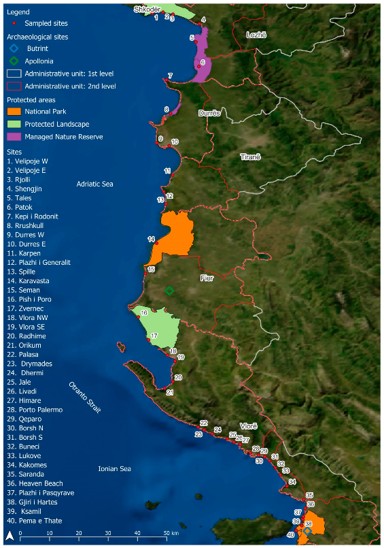
Figure 1. Geographical location of coastal areas in Albania. Source: Reproduced from Fernández-Enríquez et al. (2025), licensed under CC BY 4.0.
The growth of tourism at the national level has been accompanied by a significant expansion of tourist activity in coastal destinations (INSTAT, 2025). The Albanian Riviera, including Saranda, Ksamil, Himara and Dhërmi, has gained significant international visibility through digital platforms, social media and the promotion of Mediterranean destinations. Similarly, Durrës and Vlora have experienced significant expansion of tourism infrastructure, including hotels, resorts, tourist apartments, restaurants, and transport infrastructure (World Bank, 2022). According to the World Bank (2020b), the blue economy in Albania, including sustainable coastal tourism, is an important opportunity for economic development.
The growth of tourism has brought significant economic benefits to coastal regions. The expansion of the hospitality sector, tourism services, and supporting infrastructure has contributed to job creation and increased local economic activity. These developments are evident in urban infrastructure and tourism improvement in the south of Albania, where investments in public spaces and tourism services have been accompanied by new opportunities for businesses and local employment (World Bank, 2025). However, the rapid expansion of tourism has also accelerated the urbanization of coastal areas and land use change. The OECD emphasizes the importance of sustainable tourism policies that balance economic development with environmental protection and effective destination management (OECD, 2024).
4.1.2 Urbanization and spatial pressure
The rapid growth of tourism has intensified urbanization processes in the coastal municipalities of Albania. In some tourist areas, the expansion of tourism infrastructure has exceeded planning capacities and environmental constraints, creating significant challenges for territorial management and sustainable development. The literature on tourist urbanization emphasizes that the uncontrolled development of coastal tourism is often accompanied by the reduction of natural spaces, the fragmentation of ecosystems, and the expansion of informal settlements. According to UNEP (2020), intensive urbanization in Mediterranean coastal areas increases vulnerability to climate change and environmental degradation.
In Albania, coastal urbanization has been associated with increasing construction activity and growing pressure on natural spaces and public infrastructure, including water supply, wastewater, and energy systems. Seasonal overcrowding during the summer months further increases the burden on public infrastructure in cities such as Durrës, Vlora and Saranda. Studies on territorial governance show that, despite the reforms undertaken in the legal framework and in the spatial planning system, there is a gap in the institutionalization of mechanisms for inter-institutional coordination and the integration of sectoral policies (Allkja, 2019).
Also, the concentration of tourism investments in a limited number of coastal areas has intensified spatial inequalities between coastal regions and the interior of the country. In this context, the literature on regional development argues that the sustainable transformation of coastal regions requires stronger integration between territorial planning, environmental protection, and climate adaptation policies. According to Hall and Page (2014), sustainable management of tourist destinations should focus not only on economic growth, but also on the long-term preservation of ecosystems and the quality of life of local communities.
4.2 Environmental challenges and climate vulnerability in the coastal regions of Albania
4.2.1 Coastal erosion and coastline degradation
One of the most important environmental challenges affecting Albania’s coastline is coastal erosion. Studies and institutional reports show that about 154 kilometers of the Albanian coastline are affected by erosion processes, making coastal degradation a serious problem for sustainable territorial and tourist development (IPA-CBC, 2017; Gour, 2025).
Some areas, especially Velipoja and parts of the Adriatic coast, are experiencing coastline retreat that in some cases exceeds five meters per year. This phenomenon threatens not only the tourist infrastructure and local economy, but also the stability of coastal ecosystems and the safety of communities living near the sea. Albanian studies on coastal areas argue that erosion is closely related to the combination of natural and anthropogenic factors, including sea level rise, climate change, reduction of river sediments, intensive urbanization, and uncontrolled interventions in the territory. In the coastal segment Pishat e Buta-Mali i Robit, in Golem, documented analysis from the Albanian Ornithological Society indicates a retreat of the coastline up to 65 m during the period 2007–2023, illustrating the extent of erosion in certain areas of the Adriatic coast (AOS, 2024).
In the case of Albania, climate change and sea level rise have increased the exposure of coastal ecosystems to degradation. Meanwhile, intensive and uncontrolled construction along the coastline, the degradation of natural vegetation, and the reduction of river sediments have weakened natural protective barriers. According to UNEP (2020), intensive urbanization and the lack of integrated coastal management are major factors accelerating erosion and ecological degradation of coastal areas.
4.2.2 Waste management and pollution
The expansion of touristic activity in coastal areas of Albania is accompanied by increased pressures on waste management and the quality of the coastal environment. Empirical studies indicate that plastic materials include a considerable part of waste identified on Albanian beaches, although their percentage differs according to the studied area (Gjyli et al., 2020; Fernández-Enríquez et al., 2024). In the study conducted in 16 beaches in Vlora Bay and the Albanian Riviera, Fernández-Enríquez et al. (2024) identified 6,621 waste items, of which 82.6% were plastic materials. The study highlights the connection of a considerable part of waste with the touristic activity and emphasizes the importance of cleaning and waste management in coastal destinations.
The concentration of tourist activities during the summer season creates significant environmental pressures, including increased waste production, marine pollution, overloading of wastewater treatment systems, and degradation of biodiversity. In tourist cities such as Durres, Vlora, and Saranda, seasonal growth of the tourist population often exceeds existing infrastructure capacities. According to OECD (2024), waste management and environmental infrastructure are among the main challenges of developing tourist destinations, especially in coastal regions with intensive seasonal tourism. Many coastal municipalities in Albania continue to face a lack of effective recycling, environmental monitoring, and urban waste management systems. According to World Bank documents on the blue economy, plastic pollution and ineffective waste management pose a direct threat to tourism, biodiversity, and the Albanian maritime economy (World Bank, 2020a).
4.2.3 Climate change and the vulnerability of coastal regions
Climate change poses increasing risks to Albania’s coastal regions. Rising temperatures, the risk of flooding, rising sea levels, and extreme weather events pose increasing threats to tourism infrastructure, local economies, and natural ecosystems. According to UNDP Albania, intensive coastal tourism development places increasing pressure on biodiversity, water resources, and natural habitats, highlighting the need to integrate environmental protection into tourism planning and development (UNDP, 2023).
The literature on climate resilience argues that coastal tourist destinations are particularly vulnerable to climate change, as changes in temperature, precipitation, and ecological conditions can directly affect tourist seasonality and the attractiveness of destinations. According to Scott et al. (2012), climate change is gradually transforming the way the global tourism industry operates, increasing economic costs and the need for climate adaptation in coastal destinations. Climate hazards directly affect coastal ecosystems, water availability, biodiversity, and infrastructure resilience. High temperatures and extreme weather events can also change tourism patterns and increase the economic vulnerability of regions dependent on seasonal tourism (Scott et al., 2012).
4.3 Governance, local solidarity, and climate responsibility
The transformation of the Albanian coast has highlighted significant challenges in territorial governance and sustainable development management. The literature on collaborative planning emphasizes the importance of institutional coordination, stakeholder participation, and inclusive decision-making in territorial governance (Healey, 1997). Studies on territorial planning in Albania indicate that despite legal reforms, shortcomings continue to exist in institutional coordination and in the implementation of planning mechanisms. These challenges are especially important for the management of touristic development in coastal areas (Allkja, 2019). For this reason, integrated coastal management is considered essential for balancing economic development with environmental protection and climate adaptation (World Bank, 2020b).
Local communities play an important role in the transformation of coastal areas. Tourism development directly affects the territorial identity, lifestyle, and social structure of local communities. According to Hall and Page (2014), the expansion of tourism often creates tensions between economic interests, environmental protection, and the preservation of traditional practices. In Albania, the growth of tourism has led to increased property prices, the transformation of public spaces, and changes in the local economic structure. The concept of local solidarity emphasizes coordinated territorial planning, environmental protection, and public access to coastal areas, providing a policy framework for more sustainable coastal development in Albania (Infrastrukrura, 2015). Climate responsibility transcends local boundaries and is linked to global processes such as climate change, environmental pollution, and international tourism flows. (Bulkeley, 2013) argues that climate governance requires multi-level cooperation between local, national, and international institutions. In this context, Albania’s coastal transformation reflects the need for policies that integrate climate adaptation, biodiversity protection and sustainable tourism development. According to the World Bank and UNEP, sustainable management of coastal zones is essential for building long-term resilience and protecting marine ecosystems (UNEP, 2020; World Bank, 2020a).
4.4 Synthesis of findings in relation to the research questions
RQ1- How has tourism transformed Albania’s coastal regions?
Results show that during the period 2015-2025, the expansion of tourism activity is accompanied by important economic and territorial transformation in the coastal areas of Albania. An increase in the number of foreign nationals entering the country and the revenues from travel has reflected an expansion of the tourism sector, while the accommodating infrastructure development and of services has created new possibilities for the local economic activity. However, this development is accompanied by the intensification of urbanization and the increasing pressure on the territory and public infrastructure.
RQ2 -What environmental and climate-related challenges are associated with tourism growth?
Analysis highlights that the intensive development of coastal tourism is accompanied by pressures on waste management, coastal pollution, water resources, and natural ecosystems. Coastal erosion, increase of sea level, foods and extreme weather events pose additional risks for the sustainability of touristic destinations. These challenges stem from the interaction of natural factors, climate change, and human activity. That’s why they cannot be attributed only to tourism expansion.
RQ3 -How do local governance and territorial planning address climate responsibility in coastal areas?
Reviewing institutional documents and literature shows that Albania has developed instruments and policies for the integrated planning of the coastal territory. However, challenges in institutional coordination, the implementation of planning mechanisms, and the involvement of local communities are obstacles to sustainable management. Climate responsibility requires collaboration between local and central institutions, the private sector, and communities, integrating environmental protection and climate adaptation in territorial decision-making.
RQ4 -What strategies are necessary to support sustainable and resilient coastal transformation?
Findings suggest the need for strengthening integrated coastal management, improving environmental infrastructure, increasing the capacities for waste management, and preserving natural ecosystems. As well, territorial planning should take into consideration climate risks, while tourism policies should promote the efficient use of resources, green practices, and the involvement of local communities. These measures represent recommended policy directions that can contribute to balancing the economic benefits of tourism with the long-term sustainability of coastal regions.
5. Discussion and conclusions
5.1 Discussion of findings and contribution to literature
The study’s findings show that Albania’s coastal regions are experiencing a rapid tourism-led transformation, characterized by economic growth, urban sprawl, and increasing pressure on the environment. Tourism has become one of the most important sectors for economic and regional development, generating jobs, investment, and income for local communities. However, the current model of tourism development remains largely seasonal and has a high environmental impact.
The study’s findings are in line with the literature that considers tourism an important factor of economic development and territorial transformation, but at the same time a source of pressure on ecosystems and infrastructure (Hall & Page, 2014; OECD, 2024). In the case of Albania, analysis for the period 2015-2025 shows that the expansion of touristic activity is accompanied by the growth of the economic sector, and with challenges in waste management, territorial use, and preservation of coastal ecosystems.
The main contribution of the study lies in the integrated analysis of touristic development, environmental pressure, climate vulnerability, and territorial governance, which are often treated separately in the literature. Drawing on the concepts of collaborative planning and climate governance (Healey, 1997; Bulkeley, 2013), the study highlights the importance of institutional coordination and inclusion of local communities for the long-term sustainability of coastal regions.
5.2 Practical implications
The study highlights that tourism growth often exceeds the capacities of territorial planning and public infrastructure, while climate adaptation measures remain fragmented. At the same time, environmental protection mechanisms and the involvement of local communities in decision-making processes continue to be limited. In this context, the Albanian case reflects the broader challenge faced by many coastal economies trying to balance economic development with climate responsibility and environmental sustainability.
The sustainable transformation of the Albanian coast requires a shift towards more integrated models of coastal management, the development of green and circular tourism, climate-resilient infrastructure and participatory governance. Furthermore, strengthening the implementation of environmental and territorial rules remains essential for the long-term preservation of coastal ecosystems. In this process, the interaction between local solidarity and trans-local responsibility takes on particular importance, as climate and environmental challenges cannot be addressed only at the local level, but require broader institutional and regional coordination.
Study findings offer practical implications for public institutions, tourism businesses, and local communities. Coastal municipalities can use those to improve territorial planning, waste management and its adaption toward climate risks. Central institutions can strengthen coordination and the implementation of integrated coastal management policies, while tourism businesses can promote more efficient practices in the use of resources and the reduction of environmental impacts. For local communities, results emphasize the importance of participation in decision-making and the protection of their interests in tourism development processes.
5.3 Limitations of the study
The study relies on secondary data and institutional documents, and it does not directly measure the perceptions of local communities, tourism businesses, or local institutions. Also, some of the quantitative indicators used are available at the national level and do not allow for the full identification of differences between individual coastal destinations.
Relying on secondary data creates limits related to the quality, comparability, and completeness of the data, affecting the reliability of the interpretation of the results. Regarding internal validity, the descriptive nature of the study does not allow for the determination of causal relationships between the growth of tourism and environmental changes. In terms of external validity, the use of national-level indicators and the focus on the Albanian case limit the generalizability of the findings to specific coastal destinations or other countries. The results should be interpreted considering these methodological limits.
5.4 Future research directions
Future studies could extend the analysis through data at the municipal level, interviews with local stakeholders, and specific indicators of environmental pressure. Future studies can concentrate in comparative analysis between Albanian coastal destinations, using data in municipality level for the touristic development and environmental pressures. As well, interviews with representatives from institutions, businesses, and local communities can offer a deeper understanding of governance challenges and climate adaptation. Long-term studies can further examine the relationships between tourism intensity, territorial changes, and environmental sustainability.
5.5 Conclusion
Analysis of the period 2015-2025 shows that tourism development in Albania represents a transformation process not only economic, but territorial, environmental, and institutional as well. While the expansion of touristic activity creates possibility for regional development, and long-term sustainability of coastal destinations remains connected with the capacity to manage environmental pressures and to adopt on climate changes.
The main contribution of this study lies in the integrated treatment of these dimensions, placing tourism development in the local solidarity context beyond local borders. The case of Albania emphasizes the fact that the long-term success of coastal tourism should not be evaluated solely based on an increase in the number of visitors and revenues, but also through the ability to preserve natural resources and to secure a sustainable territorial development.
References
Allkja, L. (2019). Territorial governance through spatial planning in Albania and Kosovo. Annual Review of Territorial Governance in the Western Balkans, 1, 42–53. https://www.co-plan.org/wp-content/uploads/2020/02/Territorial-Governance-through-Spatial-Planning-in-Albania-and-Kosovo_Ledio-Allkja.pdf.
AOS (2024). Climate change impact on Adriatic Albania’s coastal areas: Challenges and adaptation strategies. Albanian Ornithological Society. https://aos-alb.org/climate-change-impact-on-adriatic-albanias-coastal-areas-challenges-and-adaptation-strategies/.
Bank of Albania (2026). Main data for Balance of Payments: Travel – Credit (A.2.3.C) [Statistical database]. https://www.bankofalbania.org/Statistics/External_sector_statistics/Balance_of_Payments/Main_data_for_Balance_of_Payments.html?evb=agregate&crd=0,8,1,1,0,17016&uni=20260519213210162158210101782572&ln=2&mode=alone.
Bowen, G. A. (2009). Document analysis as a qualitative research method. Qualitative Research Journal, 9(2), 27–40. https://doi.org/10.3316/QRJ0902027.
Brenner, N., & Schmid, C. (2014). The ‘urban age’ in question. International Journal of Urban and Regional Research, 38(3), 731–755. https://doi.org/10.1111/1468-2427.12115.
Bulkeley, H. (2013). Cities and climate change. Routledge.
Butler, R. W. (1980). The concept of a tourist area cycle of evolution: Implications for management of resources. The Canadian Geographer, 24(1), 5–12. https://doi.org/10.1111/j.1541-0064.1980.tb00970.x.
Cinar, I., Zeynep, R. A., & Süleyman, T. (2024). Land use/land cover changes in a Mediterranean summer tourism destination in Turkey. Sustainability, 16(4), 1480. https://doi.org/10.3390/su16041480.
Ciro, A., & Toska, M. (2018). Sustainable tourism development in Albania. https://www.co-plan.org/wp-content/uploads/2018/12/6.pdf.
Co-PLAN (2017). Economic development, innovation and sustainable tourism. https://www.co-plan.org/en/zhvillim-ekonomik-inovacion-dhe-turizem-i-qendrueshem/.
Creswell, J. W. (2014). Research design: Qualitative, quantitative, and mixed methods approaches. Sage Publications.
Djoundourian, S., Lionello, P., Llasat, M. C., Guiot, J., Cramer, W., Driouech, F., Gattacceca, J. C., & Marini, K. (Eds.) (2024). Climate and environmental coastal risks in the Mediterranean. https://www.medecc.org/wp-content/uploads/2025/08/medecc-sr-coastal-risks-mediterranean-2024-full-report-web.pdf
Fernández-Enríquez, A., Anfuso, G., Asensio-Montesinos, F., Bakaj, A., Ismailaj, M., & Cobaj, G. (2024). Distribution and composition of beach litter along the Ionian coastline of Albania. Water, 16(17), 2370. https://doi.org/10.3390/w16172370.
Fernández Enríquez, A., Mooser, A., Anfuso, G., & García-Onetti, J. (2025). Coastal sceneries of Albania, an emerging 3S destination: Analysis of physical characteristics and human activity impacts. Land, 14(1), 73. https://doi.org/10.3390/land14010073.
Gjyli, L., Vlachogianni, T., Kolitari, J., Matta, G., Metalla, O., & Gjyli, S. (2020). Marine litter on the Albanian coastline: Baseline information for improved management. Ocean & Coastal Management, 187, 105108. https://www.sciencedirect.com/science/article/abs/pii/S0964569120300181?utm.
Gour, A. (2025). Albania’s coastline at risk: Climate change and tourism take their toll. https://climatefactchecks.org/albanias-coastline-at-risk-climate-change-and-tourism-take-their-toll/?utm.
Hall, C. M., & Page, S. J. (2014). The geography of tourism and recreation: Environment, place and space. Routledge.
Healey, P. (1997). Collaborative planning, shaping places in fragmented societies. Springer.
Hysenaj, M., & Rustja, D. (2026). Deforestation and coastal erosion in Albania assessed by remote sensing. Geographia Technica, 21(1), 95–104. https://technicalgeography.org/index.php/on-line-first/567-07_hysenaj.
Infrastrukrura (2015). Plani Ndërsektorial i Integruar për Bregdetin [Integrated intersectoral plan for the coast]. https://www.infrastruktura.gov.al/plani-i-integruar-ndersektorial-per-bregdetin/.
INSTAT (2025). Building modern tourism statistics – Albania 2025. https://storymaps.arcgis.com/stories/8c85d6a3a29e4c4797e80332ac5b8aa0?utm.
INSTAT (2026). Arrivals of foreigners in Albania by purpose of travel 2015-2025. https://www.instat.gov.al/en/themes/industry-trade-and-services/tourism-statistics/#tab2.
IPA-CBC (2017). Strategic environmental assessment of Italy – Albania – Montenegro Cross-Border Cooperation Programme. IPA-CBC.
IPCC (2022a). Cities and settlements by the sea. https://www.ipcc.ch/report/ar6/wg2/chapter/ccp2/?utm.
IPCC (2022b). Climate change 2022: Impacts, adaptation and vulnerability. Cambridge University Press.
Kanjir, U., & Gregoric Bon, N. (2016). Spatial changes and population movements on the Albanian coastline. The International Archives of the Photogrammetry, Remote Sensing and Spatial Information Sciences, 1141-1146. https://doi.org/10.5194/isprs-archives-XLI-B8-1141-2016.
Kolaneci, E. (2026). Public access to Albania’s coastline: A case study in institutional fragmentation and regulatory volatility. Cambridge Prisms: Coastal Futures. https://doi.org/10.1017/cft.2026.10051.
Lagarias, A., & Stratigea, A. (2023). Coastalization patterns in the Mediterranean: A spatiotemporal analysis of coastal urban sprawl in tourism destination areas. GeoJournal, 88, 2529–2552. https://doi.org/10.1007/s10708-022-10756-8.
MedECC (2020). Climate and environmental change in the Mediterranean Basin – Current situation and risks for the future. First Mediterranean assessment report. Union for the Mediterranean, Plan Bleu, UNEP/MAP. https://www.medecc.org/medecc-reports/climate-and-environmental-change-in-the-mediterranean-basin-current-situation-and-risks-for-the-future-1st-mediterranean-assessment-report/?utm.
Muka, M., & Mele, M. (2026). Toward the improvement of tourism sustainability: The role of carrying capacity assessment for Durrës coastal area, Albania. WSEAS Transactions on Environment and Development, 22, 531-541. https://wseas.com/journals/articles.php?id=11737.
OECD (2024). Tourism trends and policies 2024. OECD Publishing.
Salim, M. (2019). Albania is well poised to foster blue growth. https://blogs.worldbank.org/en/europeandcentralasia/albania-well-poised-foster-blue-growth?utm.
Scott, D. C., Hall, M., & Stefan, G. (2012). Tourism and climate change: Impacts, adaptation and mitigation. Routledge.
UNDP (2023). Mainstreaming biodiversity in coastal development and planning for sustainable tourism development. https://www.undp.org/albania/projects/mainstreaming-biodiversity-coastal-development-and-planning-sustainable-tourism-development?utm .
UNEP (2020). State of the environment and development in the Mediterranean. https://www.unep.org/resources/report/state-environment-and-development-mediterranean.
UNEP (2025). In Albania, coupling ecotourism with conservation for economic growth . https://www.unep.org/technical-highlight/albania-coupling-ecotourism-conservation-economic-growth.
UNEP & UNWTO (2005). Making tourism more sustainable – A guide for policy makers. https://wedocs.unep.org/items/30f0298c-25a7-4ce5-852a-6371c2cbe991.
World Bank (2020a). Realizing the Blue Economy potential in Albania. https://documents.worldbank.org/en/publication/documents-reports/documentdetail/266731606798792190.
World Bank (2020b). Albania – Systematic country diagnostic. http://documents.worldbank.org/curated/en/822181588712199527.
World Bank (2022). Albania country private sector diagnostic. https://documents1.worldbank.org/curated/en/099647008052226016/pdf/IDU06460c98e0807c044f908b130c80a0ebe76f0.pdf?utm_source=chatgpt.com.
World Bank (2025). How heritage tourism is creating jobs and revitalizing Southern Albania. https://www.worldbank.org/en/news/feature/2025/08/12/how-heritage-tourism-is-creating-jobs-and-revitalizing-southern-albania?utm.
Yin, R. K. (2018). Case study research and applications: Design and methods. Sage Publications.